Spray foam & blown-in experts · Isanti, MN
Spray foam built for Minnesota barndominiums and custom homes
Closed and open cell spray foam, blown-in insulation and air sealing for new construction from the north metro to the Brainerd lakes. Locally owned by Matt and Joe, with 40+ years in the trades between them.

40+ years
in the trades between our owners
Locally owned
in Isanti, Minnesota
6 service areas
from the north metro to the Brainerd lakes
Every job
seen in person before it's priced
What are you building?
Insulation for the way Minnesota builds now
From steel-sided barndominiums on ten acres to lake homes and shops, we match the insulation system to the building, the code and how you'll use it.
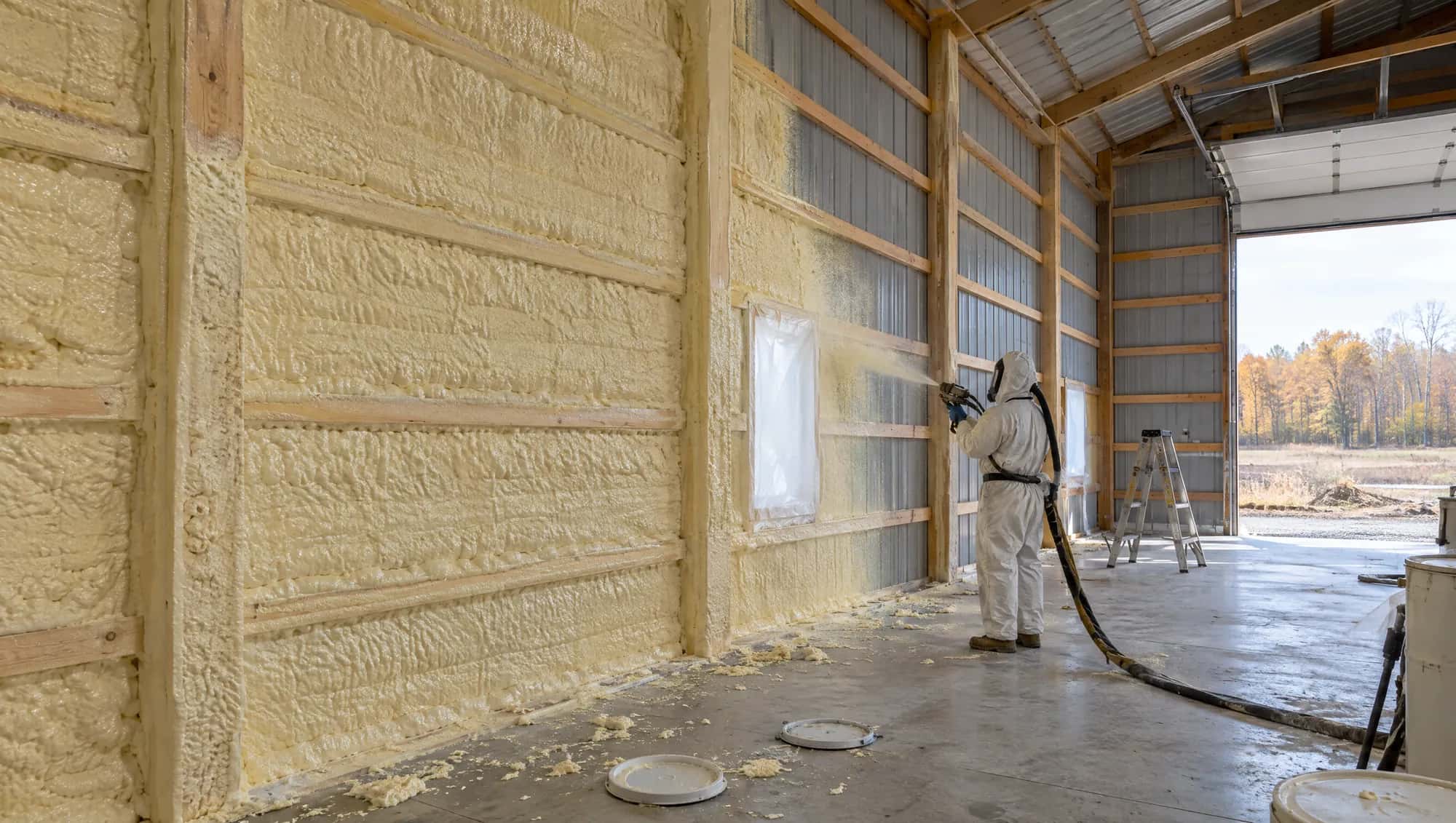
Barndominiums & Post-Frame Homes
Closed-cell foam on steel stops condensation and meets the energy code for the living space.
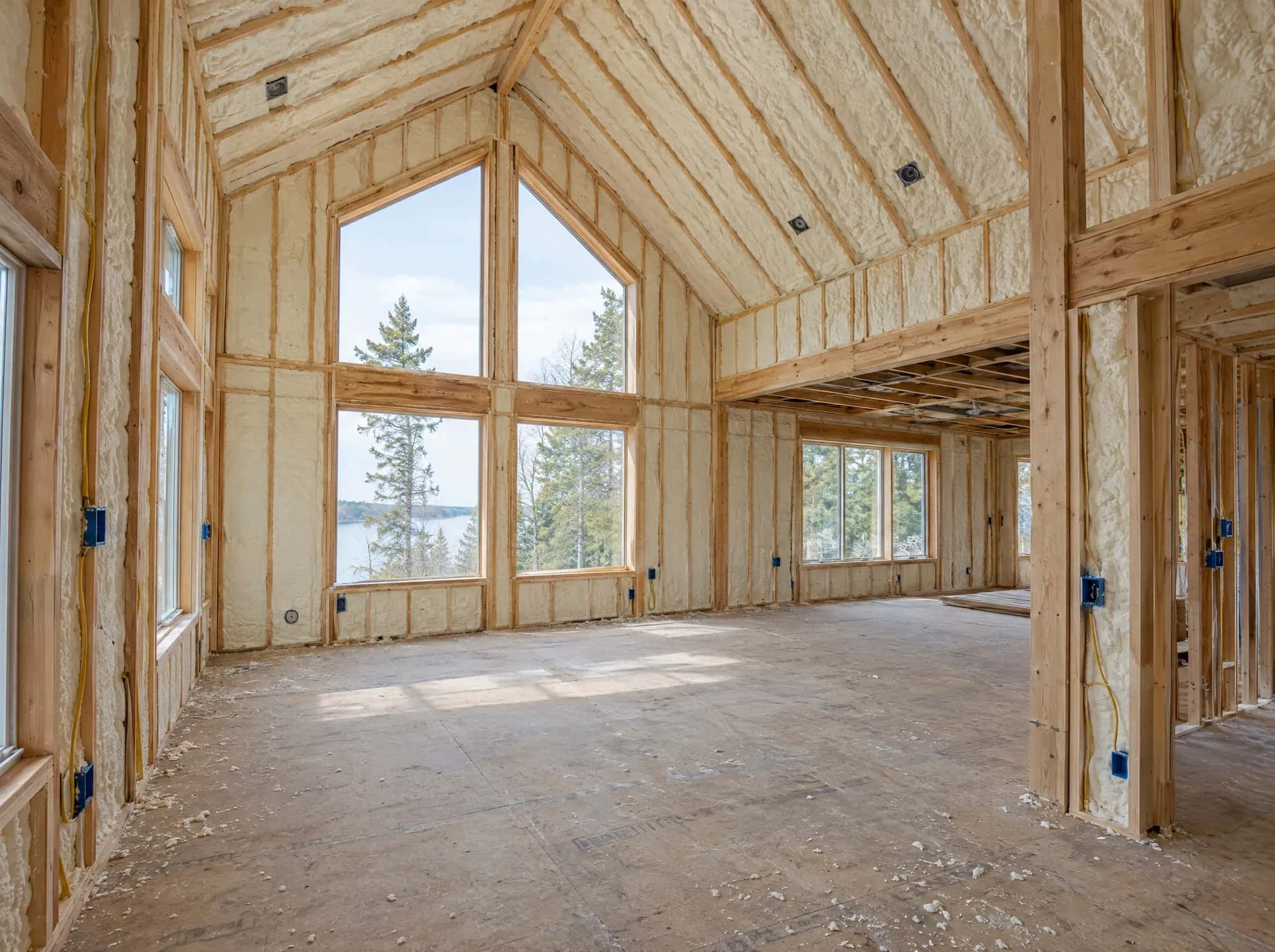
New Custom Homes
Spray foam and hybrid systems built to pass the 3 ACH50 blower door the first time.
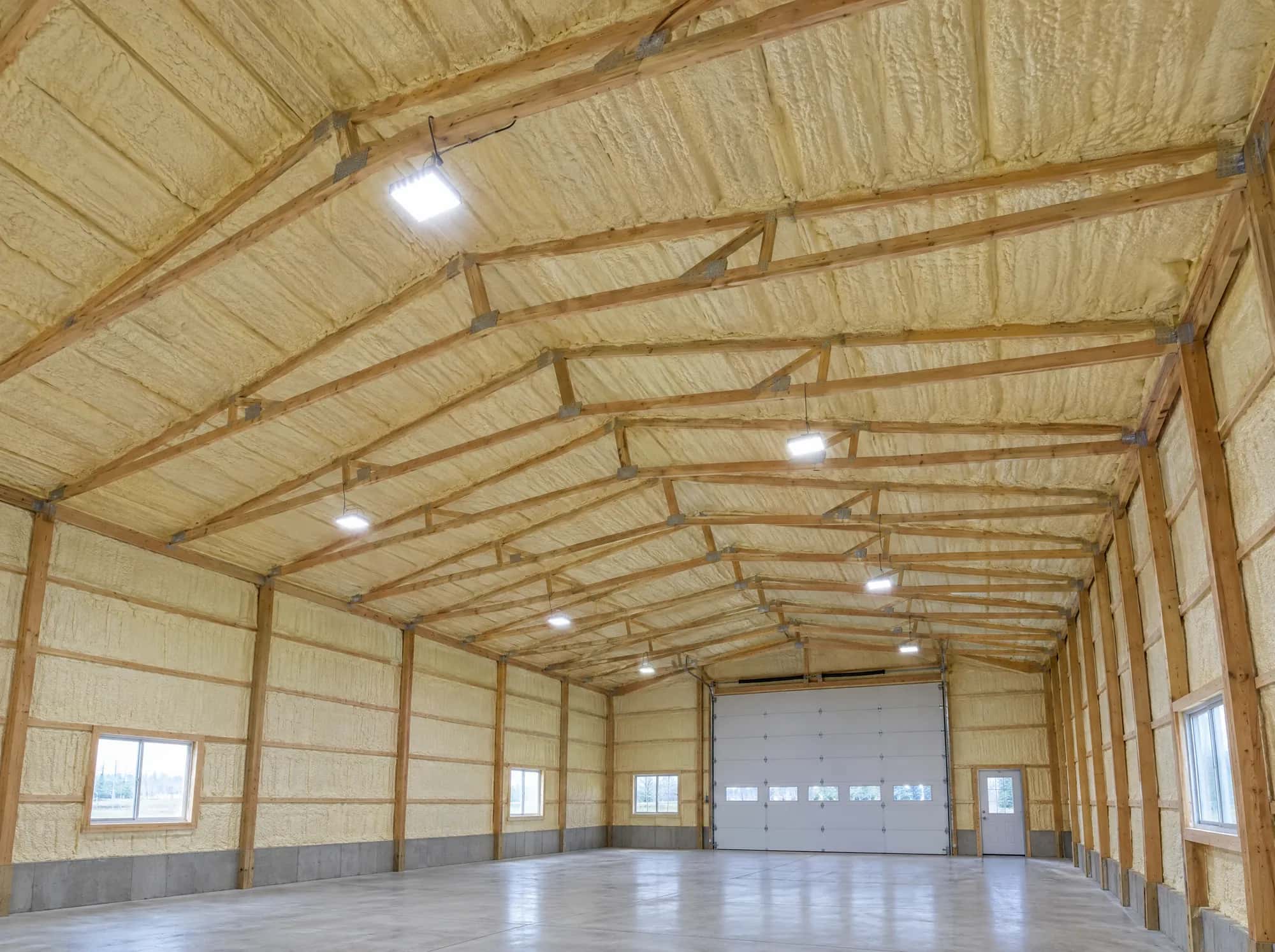
Shops, Pole Barns & Garages
Foamed roofs and walls that stay dry, hold heat and don't drip on your equipment.
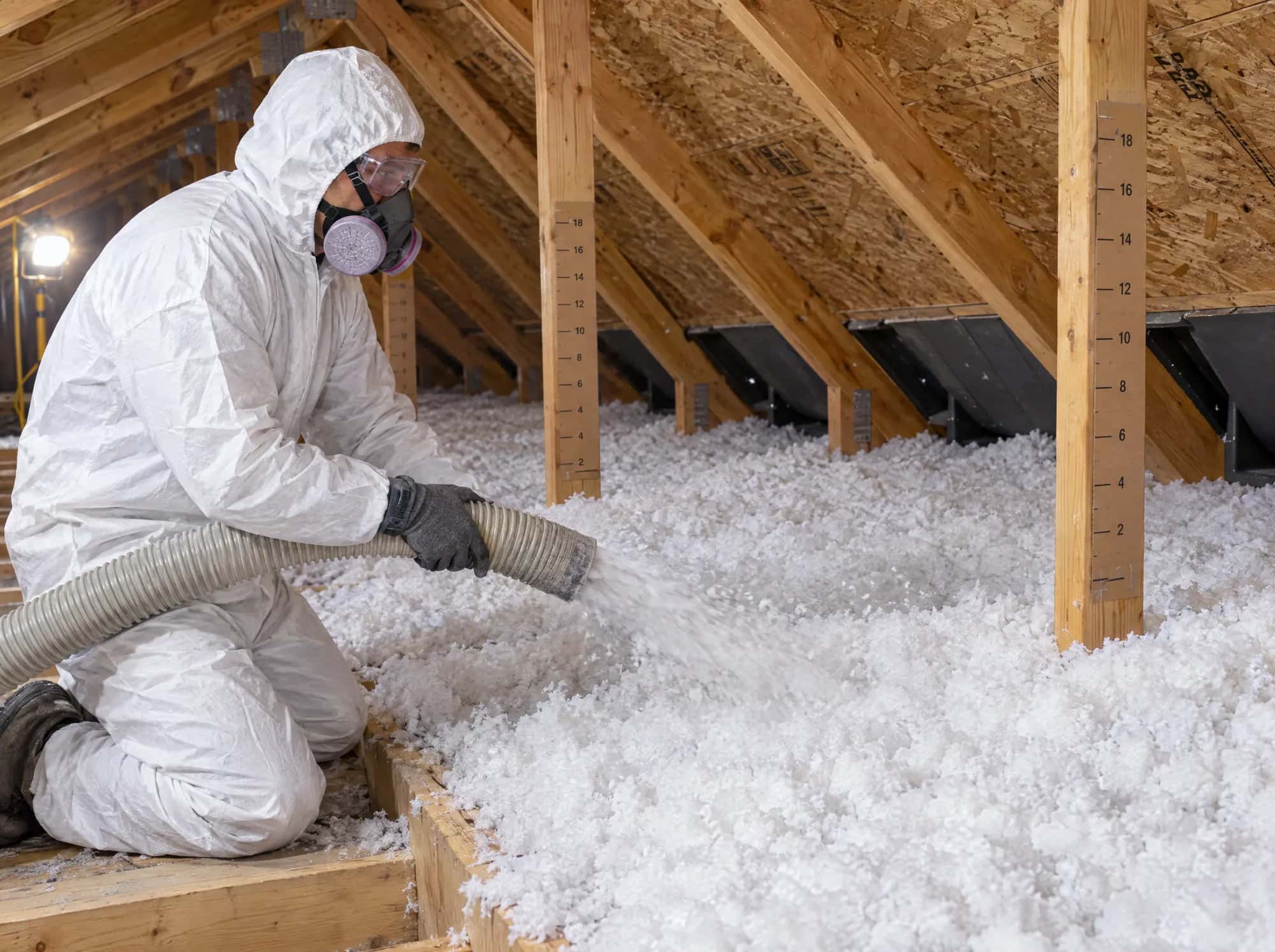
Existing Homes
Attic top-ups, ventilation fixes, removal and sidewall insulation for the house you already have.
Services
Every layer of the building envelope
Spray foam is our specialty, but a tight, comfortable building takes the right material in the right place. We do all of it.
Spray Foam Insulation
Open and closed cell foam that insulates, air seals and stops condensation in one pass.
Learn more about Spray Foam InsulationAir Sealing & Hybrid Systems
Flash-and-batt and targeted air sealing to hit Minnesota's 3 ACH50 blower door target.
Learn more about Air Sealing & Hybrid SystemsBlown-In Insulation
Deep, even loose-fill in attics and cavities, blown to R-49 and beyond.
Learn more about Blown-In InsulationAttic Insulation & Venting
Baffles, soffit-to-ridge airflow and full-depth insulation to stop ice dams.
Learn more about Attic Insulation & VentingInsulation Removal
Old, wet, rodent- or smoke-damaged insulation vacuumed out and hauled away.
Learn more about Insulation RemovalWall & Sidewall Insulation
New construction walls insulated right, and existing sidewalls filled without tearing out drywall.
Learn more about Wall & Sidewall Insulation
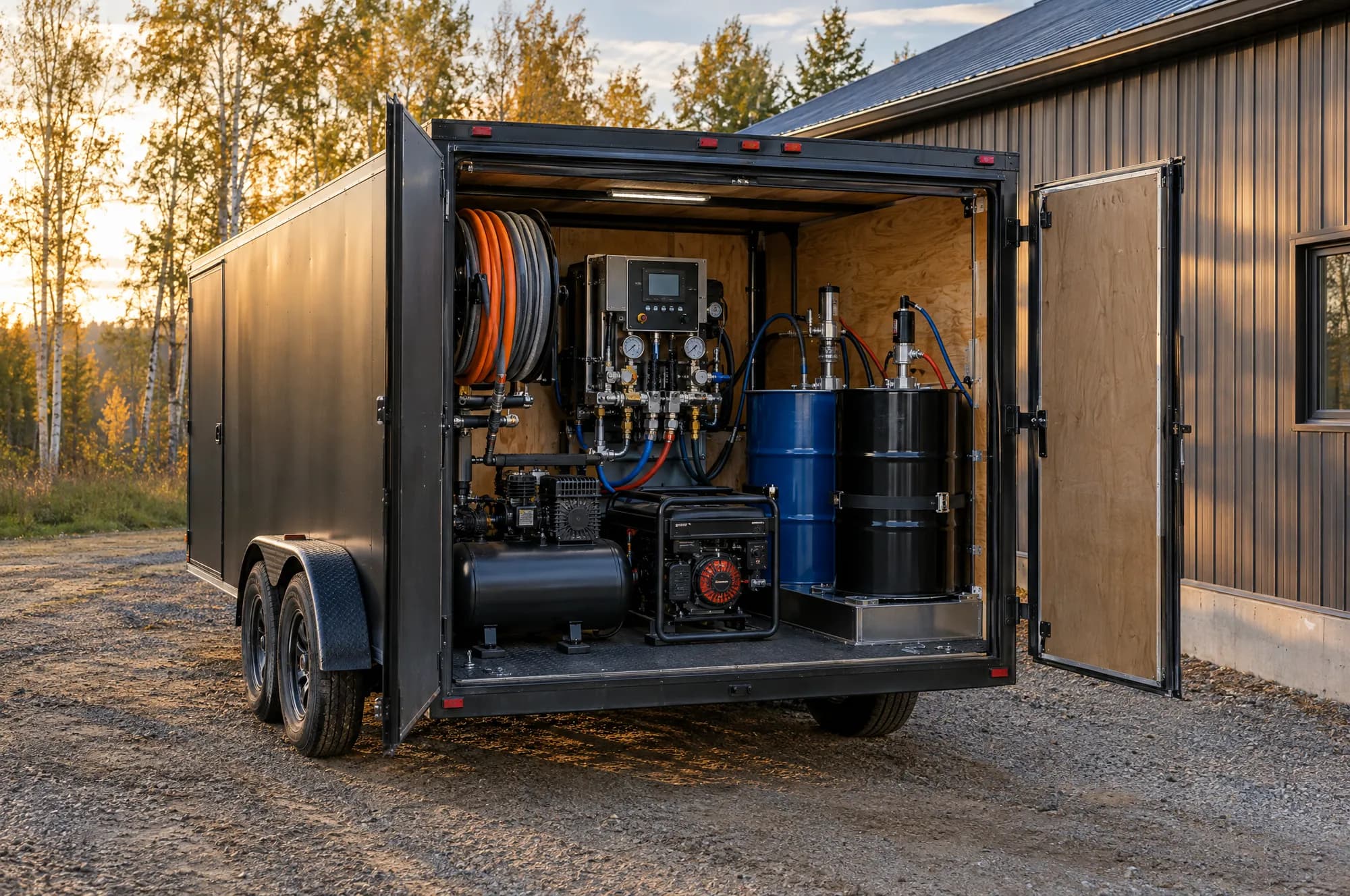
40+
Years in the trades between owners Matt and Joe.
Why Lake State
Customer forward.
Service first.
Lake State Insulation is locally owned in Isanti by Matt and Joe, two tradesmen with more than 20 years each on Minnesota jobsites. We started LSI to insulate buildings the way we'd want our own done, and to treat every customer the way we'd want to be treated.
We see it before we price it
No guesses over the phone. We walk your project, measure it and talk through options before you see a number.
A written estimate you can compare
Foam type, depth and R-value for every area, in writing, so you know exactly what you're paying for.
Owners you can reach
Matt and Joe run LSI themselves. Call and you're talking to the people doing the work.
Built to Minnesota code
R-values for your climate zone, a tight air barrier for the blower door, and ignition barriers where the code wants them.
Open cell vs closed cell
Which spray foam does your project need?
Closed-cell foam is dense and rigid, with roughly twice the R-value per inch of open cell, and it doubles as a vapor retarder. It is the right call on steel-sided barndominiums and pole buildings, rim joists, and anywhere space is tight.
Open-cell foam is soft and expands to fill wood-framed walls and rooflines completely. It costs less per inch and quiets sound well, but in Minnesota it needs a separate vapor retarder.
Many new homes use both, or a flash-and-batt hybrid. We’ll recommend what fits each part of your building when we visit.
| Property | Open cell | Closed cell |
|---|---|---|
| R-value per inch | About 3.5 to 3.8 | About 6 to 7, depending on the product |
| Density | About 0.5 lb per cubic foot, soft | About 2 lb per cubic foot, rigid |
| Air barrier | Yes, at full depth | Yes |
| Vapor retarder | No, needs separate vapor control in Minnesota | Yes, at about 1 to 2 inches, depending on the product |
| On steel panels | Not recommended in our climate | The go-to for barndos and pole buildings |
| Adds strength | No | Yes, stiffens walls and roof decks |
| Best for | Wood-framed walls and rooflines, sound control | Metal buildings, rim joists, below grade, high-R thin walls |
How it works
From first call to final walkthrough
Reach out
Call, email or send the contact form. Tell us what you're building and where.
Site visit
We walk the project, measure, and talk through foam types, R-values and code.
Written estimate
A clear estimate with foam type, depth and R-value for every area, scheduled around your build.
Install & walkthrough
We mask, spray or blow, clean up, and walk the job with you before we leave.
Service areas
North metro to the Brainerd lakes
Based in Isanti, we insulate homes, barndominiums, cabins and shops across the north metro, up through Pine County and into the Brainerd Lakes Area.
Isanti County, MN
Zone 6AIsanti Cambridge Braham Stanchfield Dalbo
Chisago County, MN
Zone 6ANorth Branch Wyoming Lindstrom Chisago City Center City Rush City
Anoka County, MN
Zone 6AEast Bethel Ham Lake Oak Grove St. Francis Andover Ramsey
Washington County, MN
Zone 6AForest Lake Hugo Scandia Stillwater Lake Elmo Woodbury
Pine County, MN
Zone 7Pine City Hinckley Sandstone Rock Creek
Brainerd Lakes Area, MN
Zone 7Brainerd Baxter Nisswa Pequot Lakes Crosslake Breezy Point Crosby Pine River
FAQ
Questions we hear a lot
Should I use open-cell or closed-cell spray foam in a barndominium?
For the steel walls and roof of a Minnesota barndominium or post-frame building, closed-cell spray foam is usually the right choice. Sprayed directly onto the metal, about 2 inches of closed cell blocks the warm, moist air that causes condensation and dripping, and it acts as its own vapor retarder. Open-cell foam works well inside wood-framed walls and roofs with the right vapor control, but on bare steel in our climate it can hold moisture. We go over which foam fits each part of your building during the site visit.
How much does spray foam insulation cost?
The cost depends on the type of foam, how thick it goes on, the square footage, and how easy the space is to reach, so we never price a job sight unseen. We come out, look at the project, measure, and give you a written estimate that spells out the foam type, depth and R-value for every area.
Do barndominiums have to meet the Minnesota Energy Code?
Yes. The Minnesota Department of Labor and Industry treats a barndominium as a dwelling, so the living space must meet the Minnesota Residential Code and Energy Code. That includes the insulation R-values for your climate zone and a blower door test of no more than 3 air changes per hour at 50 pascals. In Isanti, Chisago, Anoka and Washington counties (Climate Zone 6) the code calls for R-49 ceilings and R-20 walls, or R-13 in the cavity plus R-5 continuous insulation. Pine County is in Climate Zone 7.
What areas does Lake State Insulation serve?
We are based in Isanti, Minnesota, and serve Isanti, Chisago, Anoka, Washington and Pine counties and the Brainerd Lakes Area, including Cambridge, North Branch, Forest Lake, East Bethel, Ham Lake, Stillwater, Pine City, Brainerd, Baxter and Nisswa.
Do you work with builders and general contractors?
Yes. We work with homeowners and directly with builders and general contractors, and we schedule our work around your framing, rough-in and inspection dates so insulation never holds up the build.
Is there still a federal tax credit for insulation?
No, not for new work. The federal Energy Efficient Home Improvement Credit (25C) ended for insulation installed after December 31, 2025, under the 2025 budget law. Some utilities still offer insulation rebates on existing homes, including Xcel Energy and CenterPoint Energy, each with its own contractor and testing requirements.
Can you remove old insulation?
Yes. We vacuum out old, wet, compacted, or rodent- and smoke-damaged insulation with a high-powered removal vacuum, bag it and haul it away, so the attic can be air sealed and reinsulated properly.
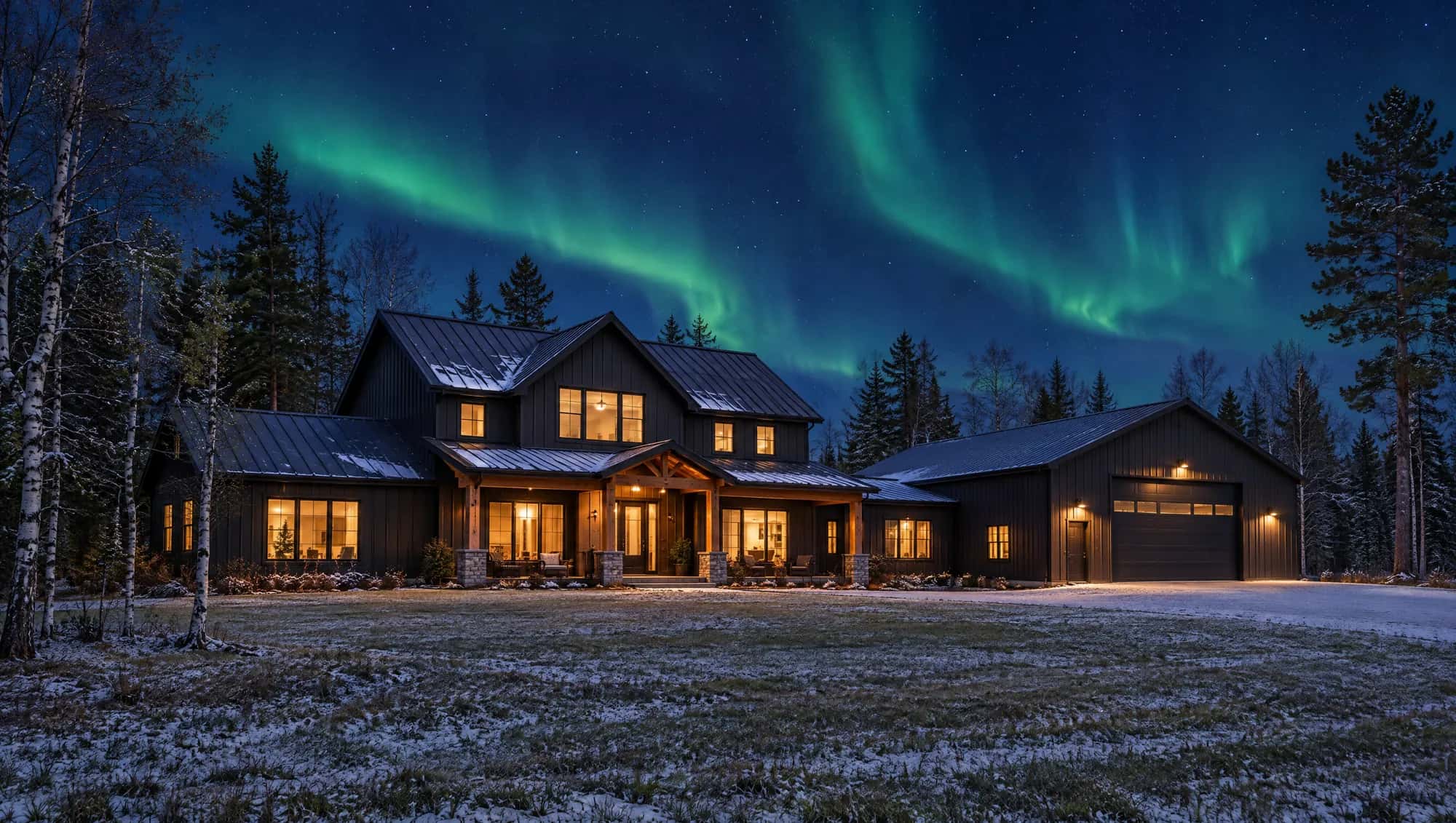
Tell us about your project
Building a barndo, a custom home or a shop? Reach out and we'll set up a time to see it. No pressure, no guesswork pricing.